Oxygen, which nourishes the body’s tissues, passes through the lungs. If the lung membrane is “damaged” or prematurely aged, or if the bronchial tubes are too narrow or blocked, gas exchange is disrupted. As a result, oxygen delivery to the body’s tissues and cells (brain, heart, muscles, etc.) becomes difficult.

This lack of oxygen leads to shortness of breath at rest, which worsens with exertion—first when climbing stairs, then when walking, and eventually even during daily activities such as washing or dressing.

Home oxygen therapy helps restore a stable oxygen level in the blood, allowing patients to regain their independence and breathing comfort.

Benefits of the treatment

Treatment for respiratory failure provides many benefits, mainly in the long term, for patients who follow their treatment regularly.

  • Improved life expectancy in cases of severe hypoxemia
  • Improved quality of life
  • Reduced number of hospitalizations
  • Ability to remain at home and regain independence

Starting your treatment

Prescription

Your treatment is prescribed by your doctor. It is based on your condition, your oxygen needs, and the most suitable type of equipment.

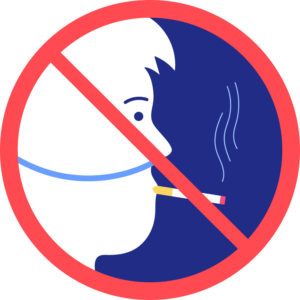
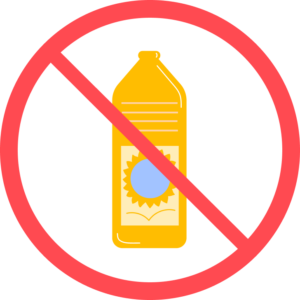
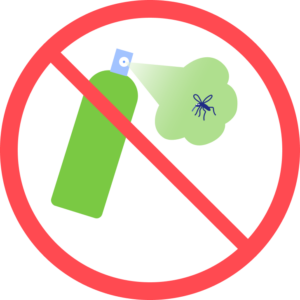
Using oxygen involves certain risks. Please carefully read the user manual provided with your equipment. Safety instructions must be strictly followed.

Installation

An Elia Médical technician comes to your home to install the oxygen therapy equipment prescribed by your doctor. They provide you and your loved ones with strict safety instructions and explain how the device works and how to maintain it.

The technician checks that you have properly understood the information and remains available to answer any questions. They also inform you about additional sources of information and provide contact numbers in case of need.

Concentrators

Portable oxygen concentrator

Small and lightweight, the portable oxygen concentrator extracts and concentrates oxygen from the surrounding air. It runs on a rechargeable, interchangeable battery. It allows patients to leave their home while still receiving oxygen therapy.

It usually operates in pulse mode, meaning it delivers a burst of oxygen with each inhalation. However, it cannot meet high oxygen requirements.

Oxygen concentrator

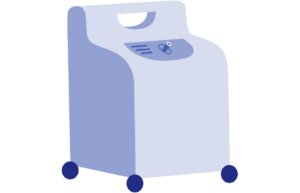
Plugged into an electrical outlet, the oxygen concentrator extracts and concentrates oxygen from the air in the room. It has unlimited autonomy as long as it remains connected to power. Relatively quiet, its noise level is similar to that of a refrigerator. It can deliver oxygen therapy at flow rates of up to 5 L/min.

How to get the most out of your treatment

You should not stay confined at home just because you are on oxygen. Walking is an excellent form of exercise, as long as you use a portable device.

Going out is strongly encouraged to improve your well-being: shopping, walking your dog, visiting friends or family, or even going on holiday—including by plane. All of this is beneficial for your health, as long as your pulmonologist agrees.

Wearing oxygen nasal cannulas can be difficult at first for new patients. It is important to overcome the fear of how others may look at you. A patient who accepts and manages their condition well gives a positive and empowering image. Be proud of your oxygen therapy—it is a sign of strength and courage—and the way others see you will change.

A personalized treatment tailored to your needs

  • A clearly defined usage duration over 24 hours
  • An oxygen flow rate that may be the same at rest, during activity, and at night, or may vary depending on your needs
  • Consideration of the patient’s independence and family environment
  • Consideration of your home characteristics (access, floor level, presence of an elevator)
  • Full compliance with safety regulations

Safety instructions

Do you have more questions?