Non-invasive ventilation treatment
Non-invasive ventilation (NIV) involves a device that blows air to help improve the exchange of air in the lungs.

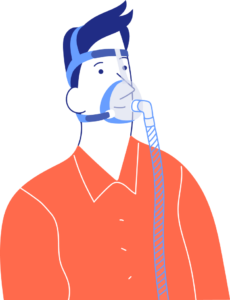
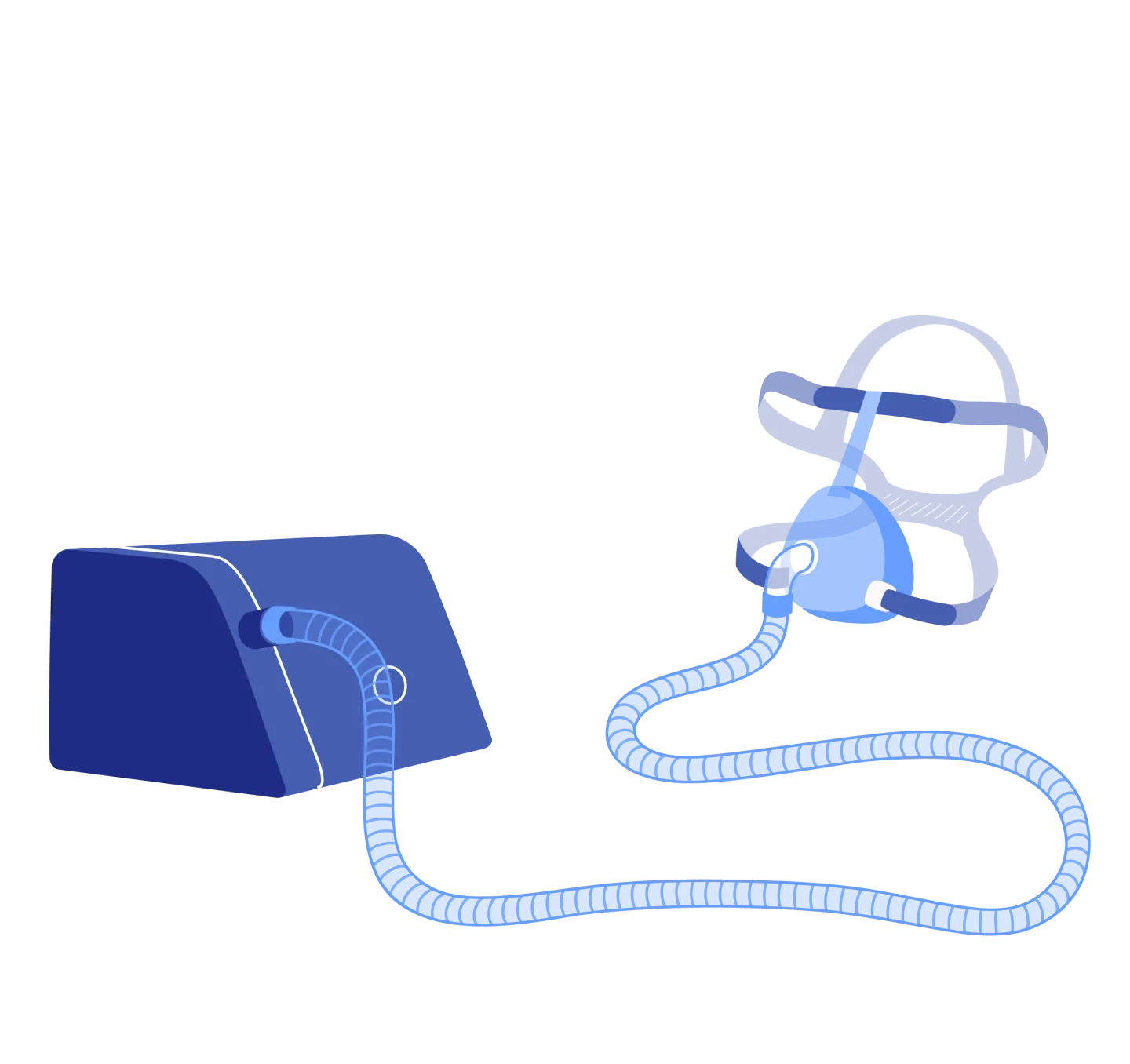
NIV is synchronized with the patient’s breathing. Air is delivered through a tube and a fitted mask, placed either over the nose or over both the nose and mouth.

NIV is indicated in cases of alveolar hypoventilation, which is characterized by an increase in carbon dioxide levels in the blood. The device is most often used during sleep, and sometimes during the day as well. It helps the respiratory muscles rest more effectively.

Who is NIV for?

Several types of respiratory diseases can be treated with NIV. Patients with chronic respiratory failure and those with severe, unstable chronic obstructive pulmonary disease (COPD) are the main beneficiaries of this treatment.

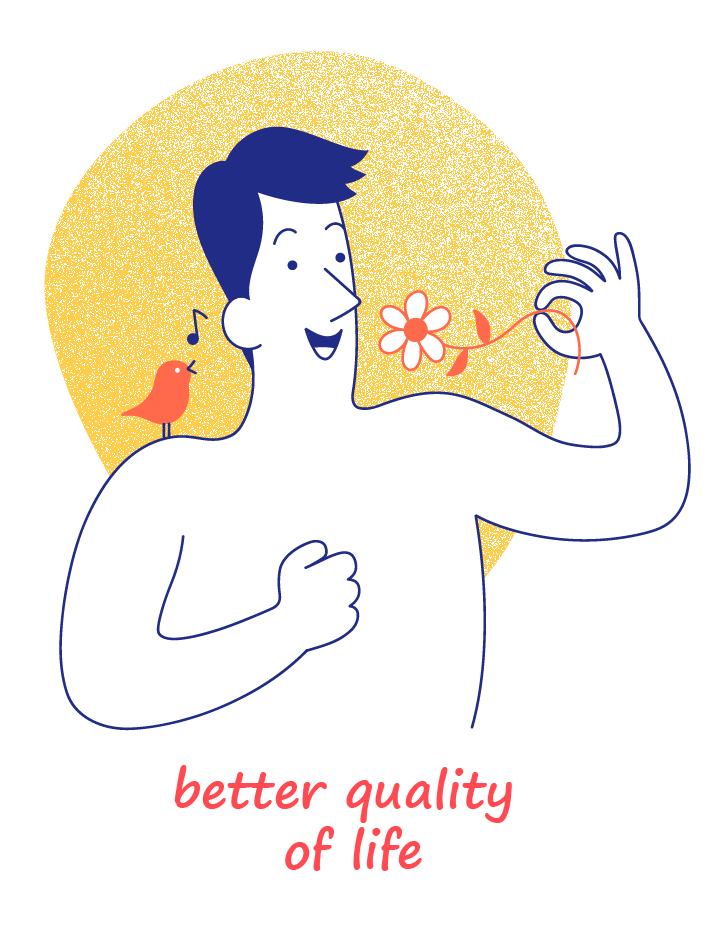
Restoring the most normal possible respiratory function helps improve many clinical outcomes in most patients, such as reducing the frequency of exacerbations in COPD, improving quality of life, and decreasing shortness of breath during physical activity…
Benefits of treatment

To be effective, non-invasive ventilation (NIV) must be used regularly every day, for several hours at a time. The goal of ventilation is to help renew the air in the lungs. This reduces excess carbon dioxide in the blood as well as related symptoms, particularly headaches.

Patients often quickly notice a significant improvement in their breathing condition. Regular use of ventilation reduces the workload of the respiratory muscles, helping to prevent fatigue that can cause breathing discomfort.

  • Improved life expectancy
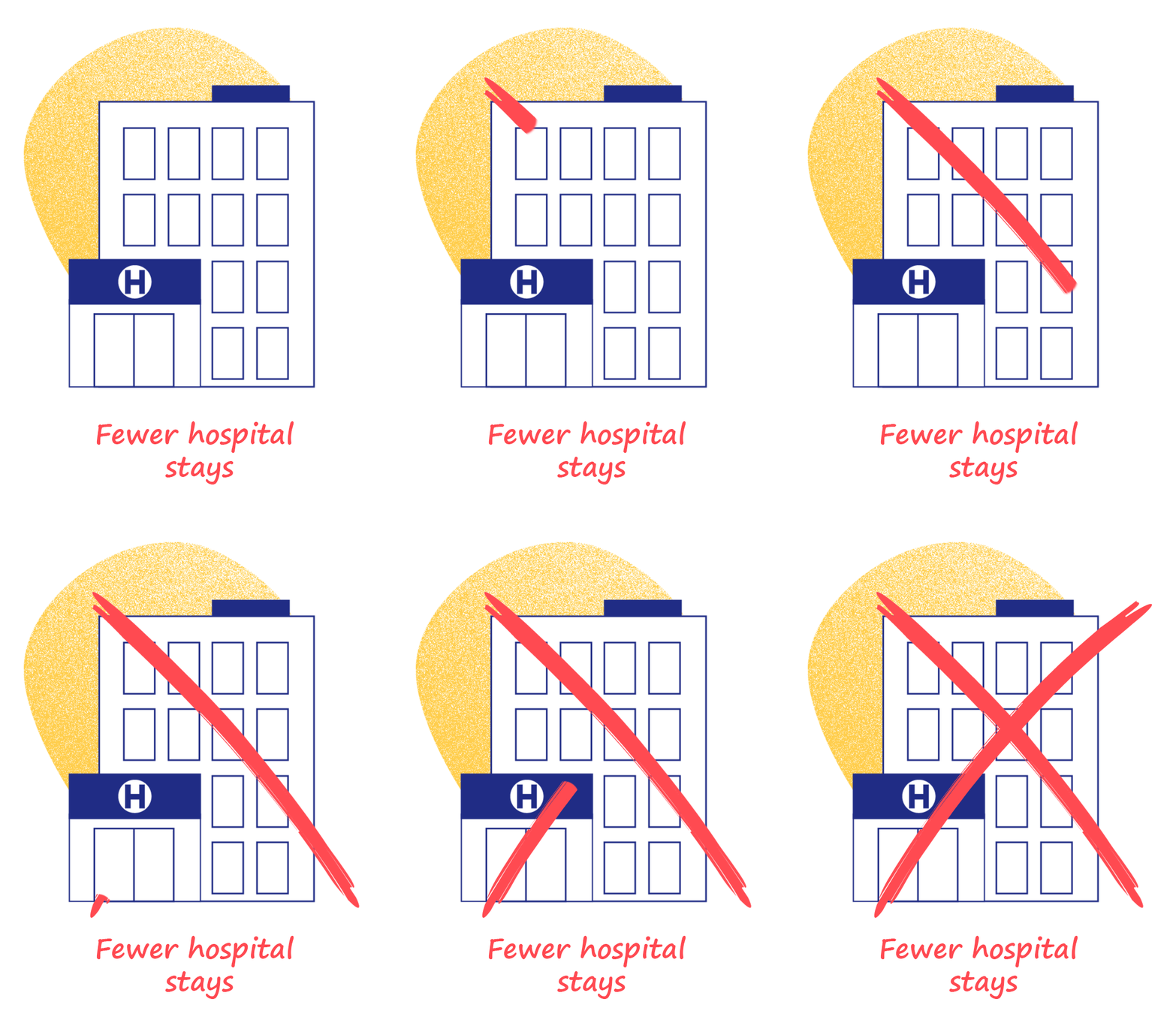
  • Reduced hospitalizations
  • Lower risk of intubation (via tracheostomy or endotracheal tube)
  • Slower progression of disease
  • Improved sleep quality

Starting your treatment

Beginning of treatment

NIV treatment most often begins during a hospital stay. This decision is made by your prescribing doctor, who sets the precise device settings, selects the type of mask, and establishes the necessary monitoring

Installation

An Elia Médical technician comes to your home to install the NIV device prescribed by your doctor. They explain how to use and maintain the equipment and provide training on safety instructions. The technician ensures that the mask and device are properly fitted, which is essential for your adherence to the treatment.

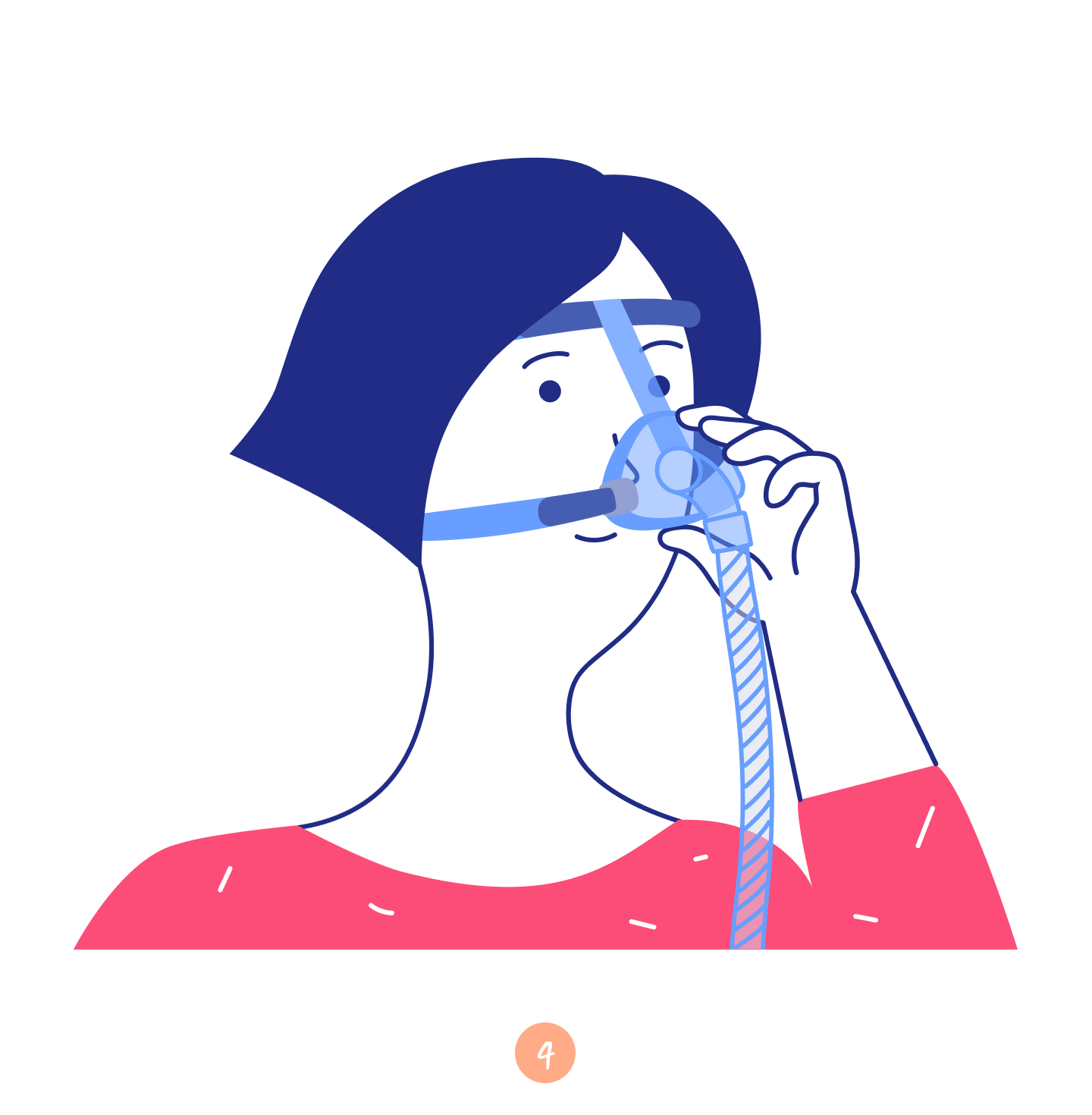
Masks and maintenance

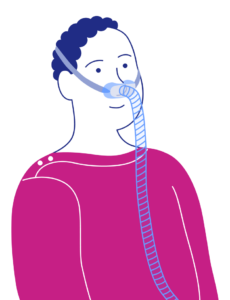
The nasal pillow mask is smaller and more discreet, and sits just under the nose


The nasal mask covers the nose

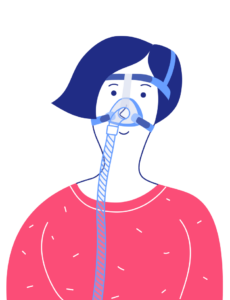
The full-face mask covers both the nose and the mouth


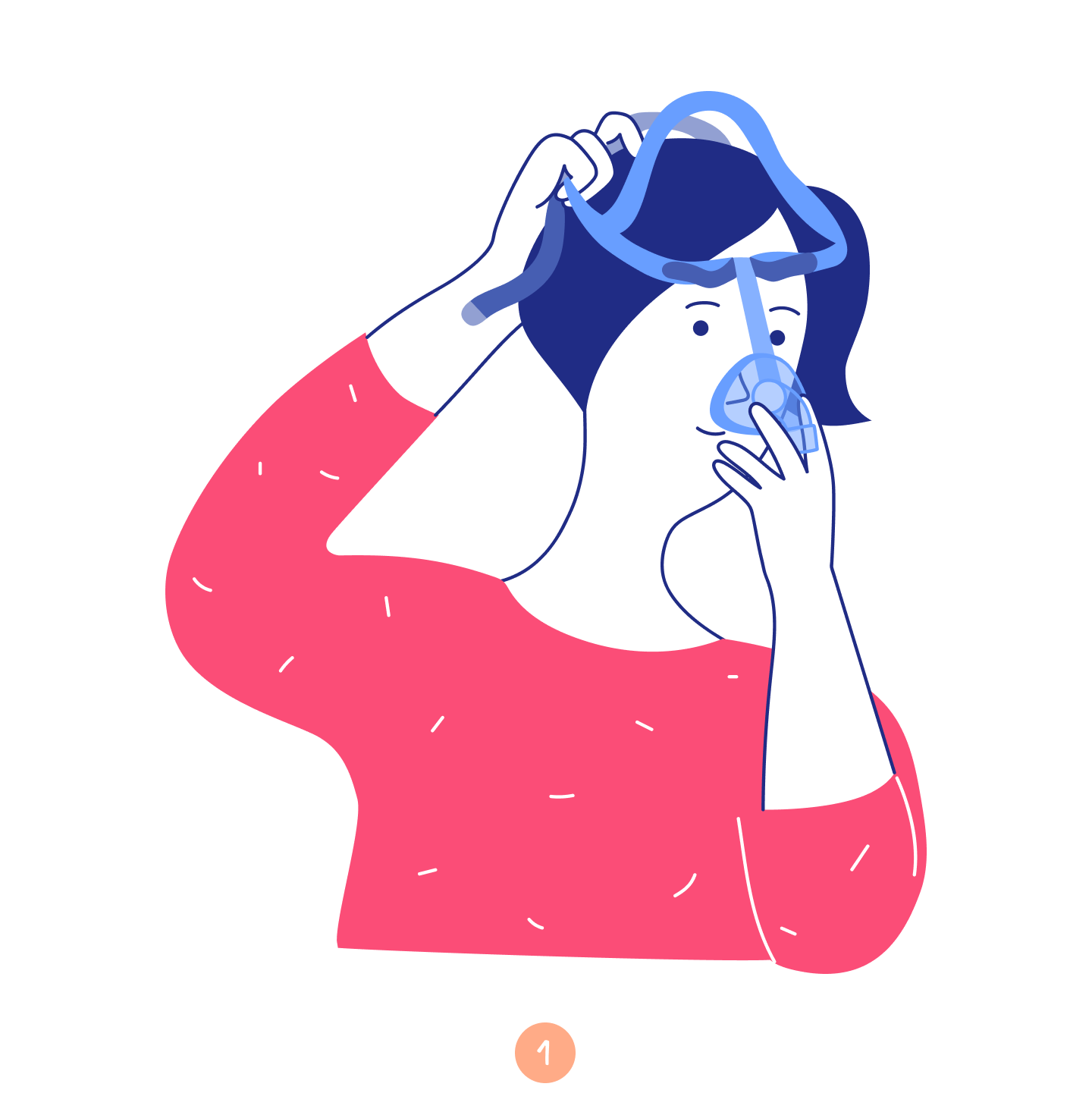
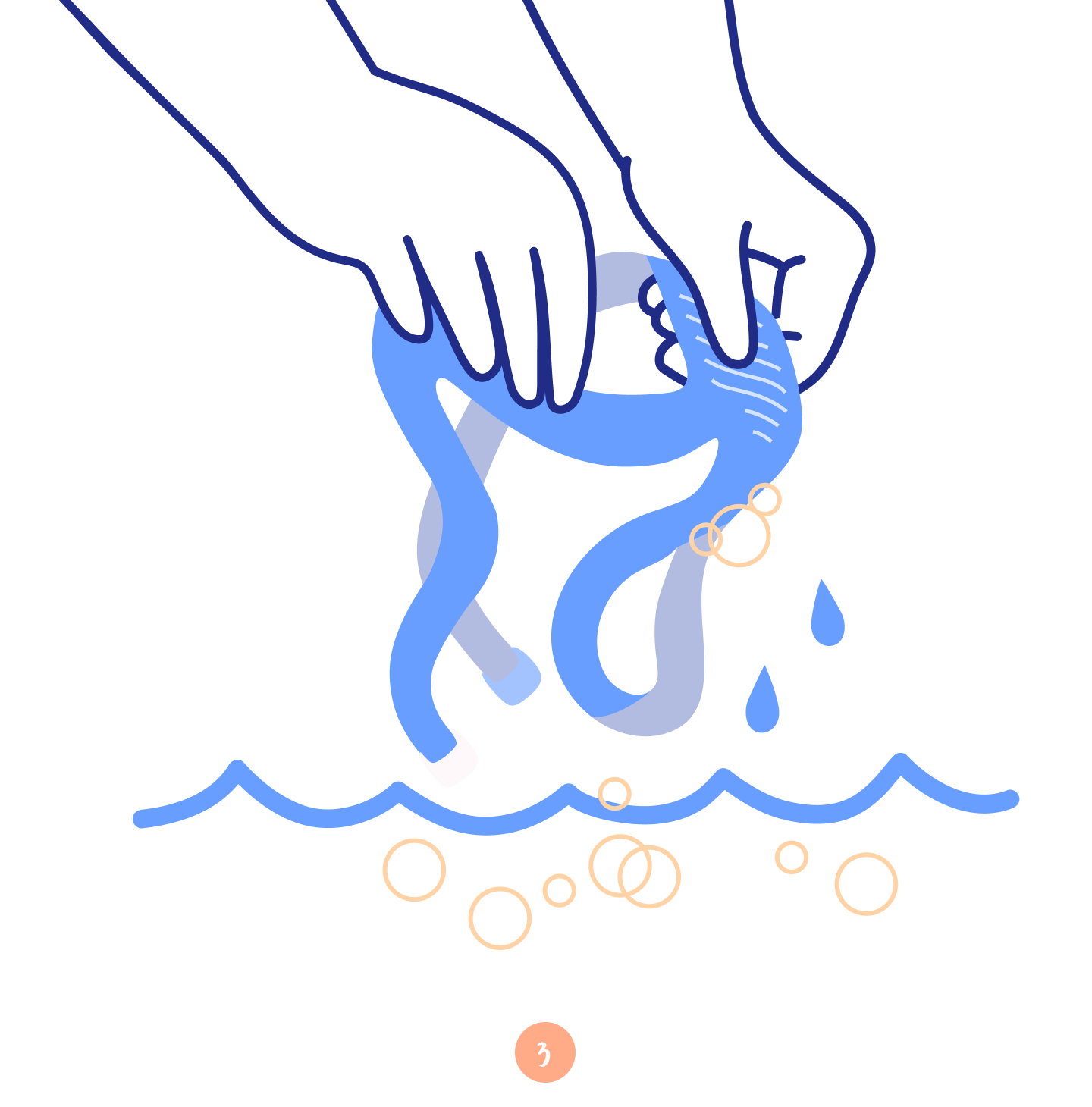
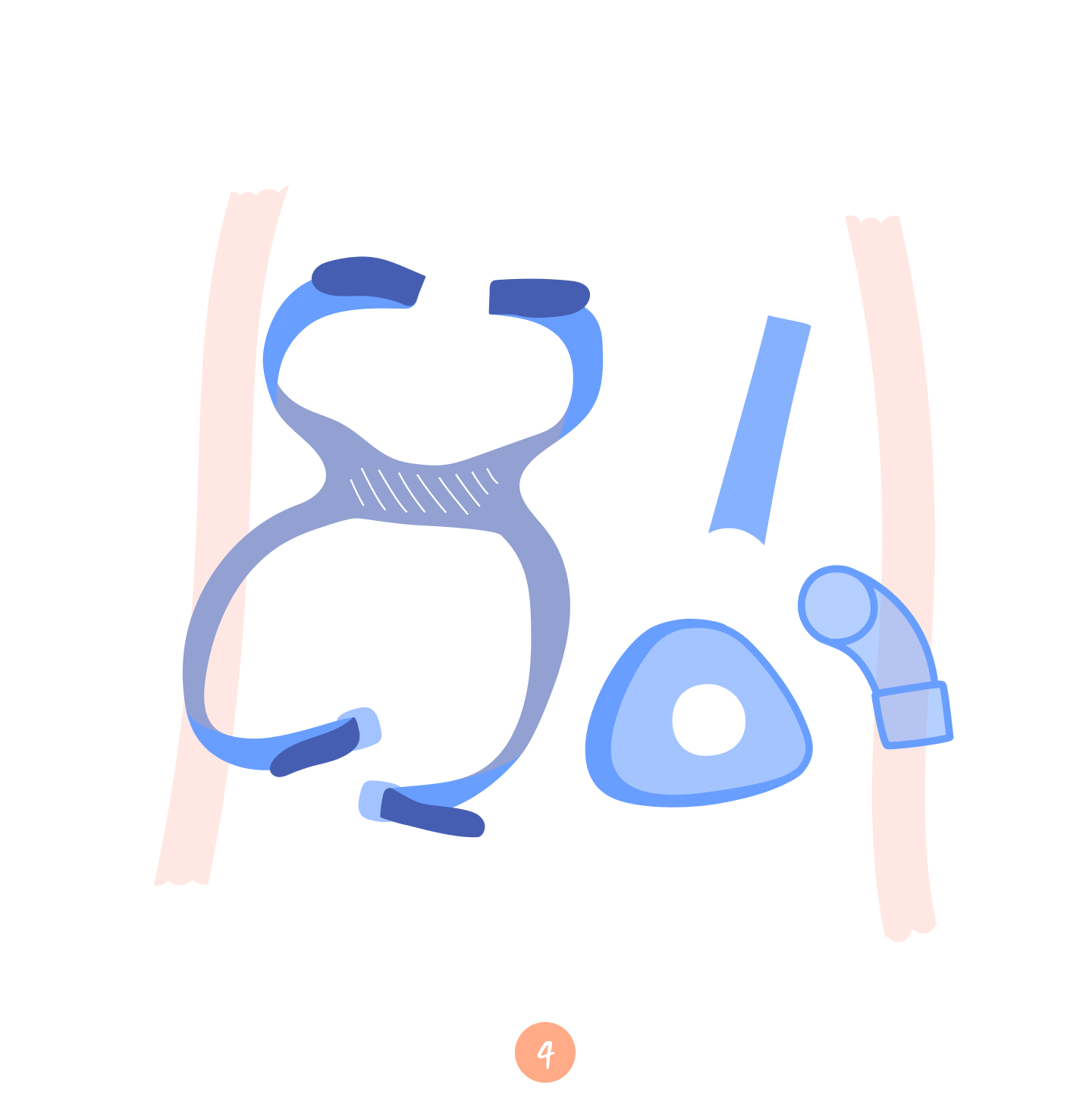
Put on your mask and keep it over your nose

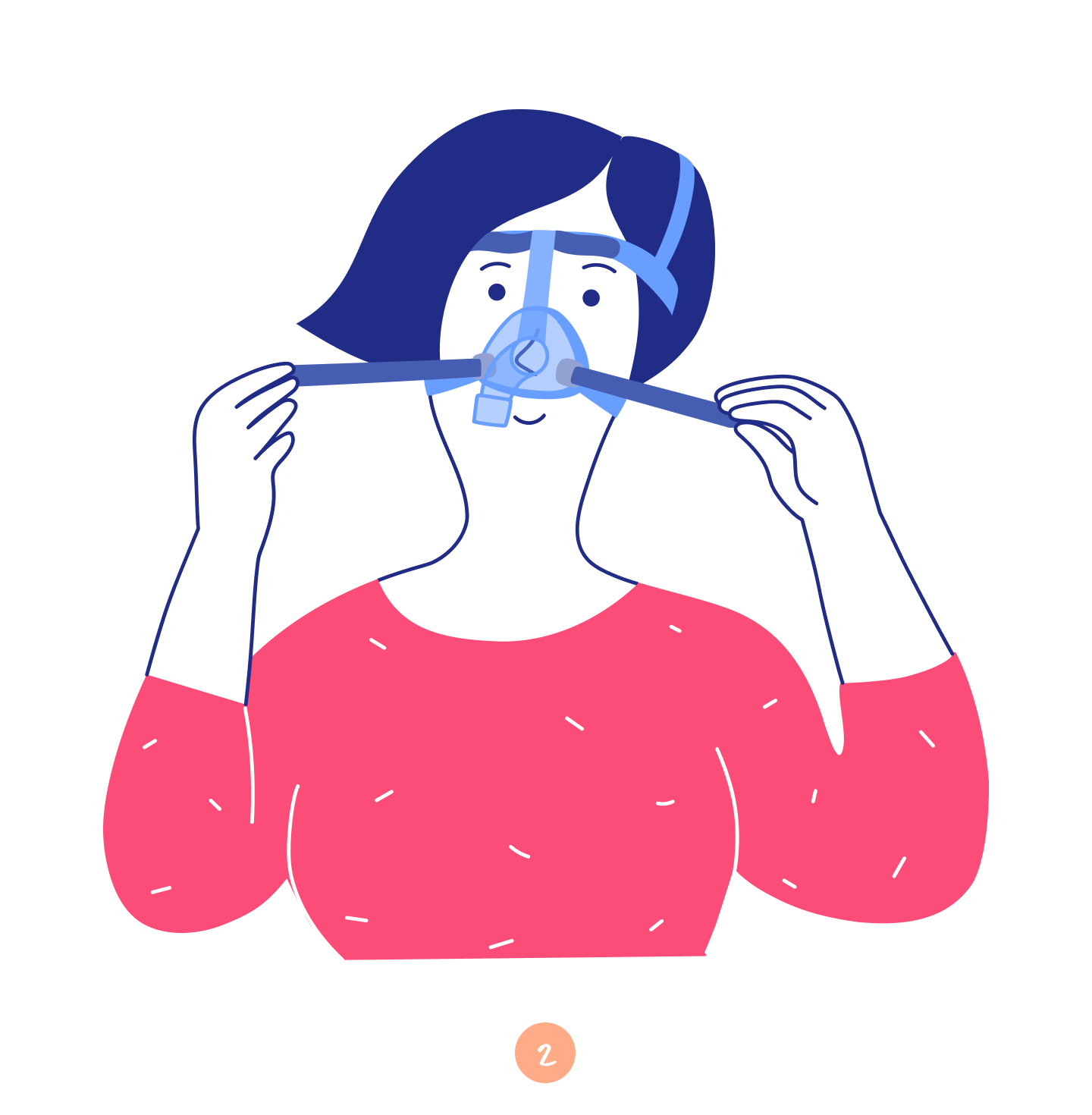
Adjust the straps near the mask

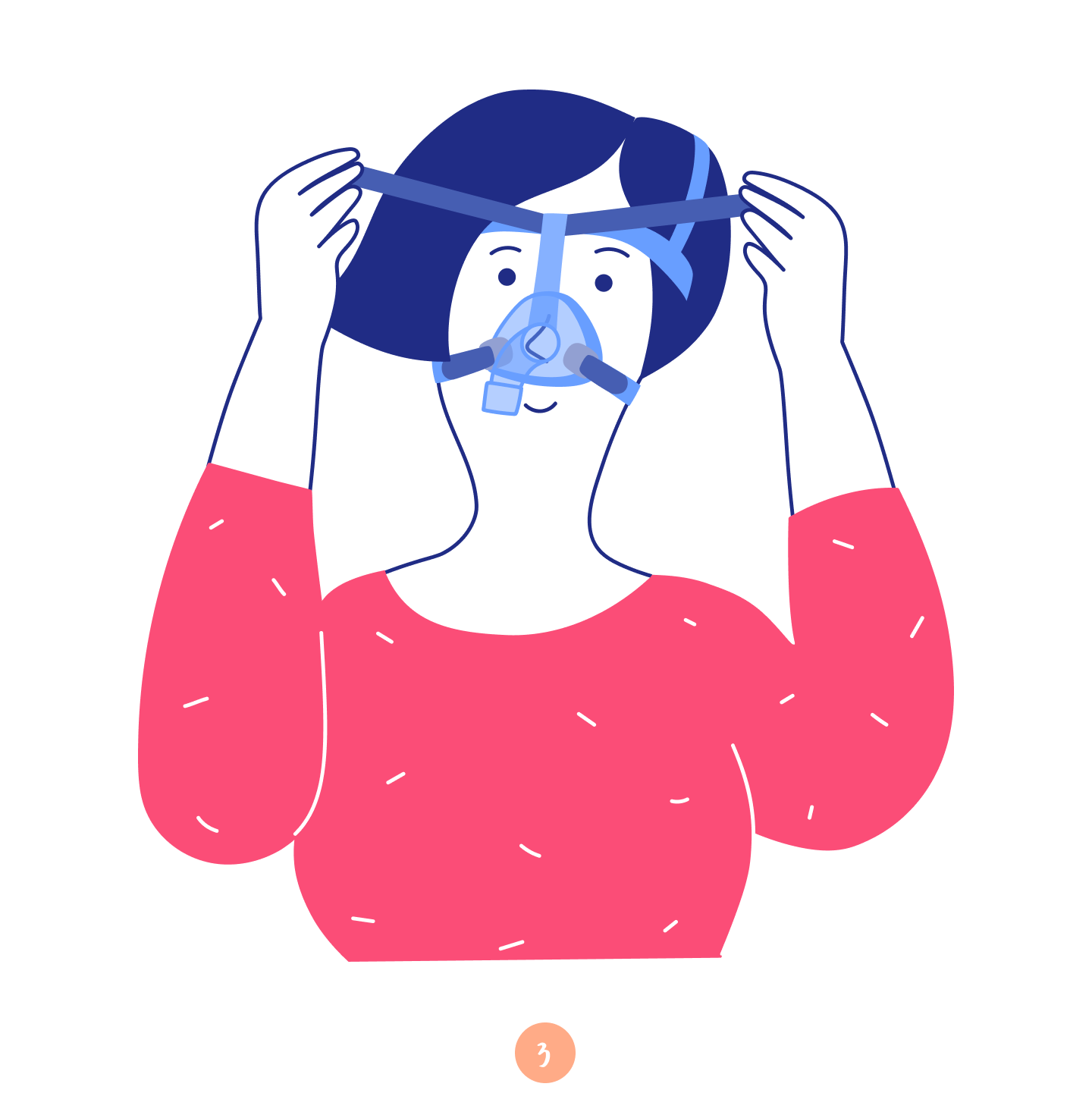
Adjust the straps on your forehead

If you feel air passing, lift and reposition the mask

Adjust the straps on your forehead

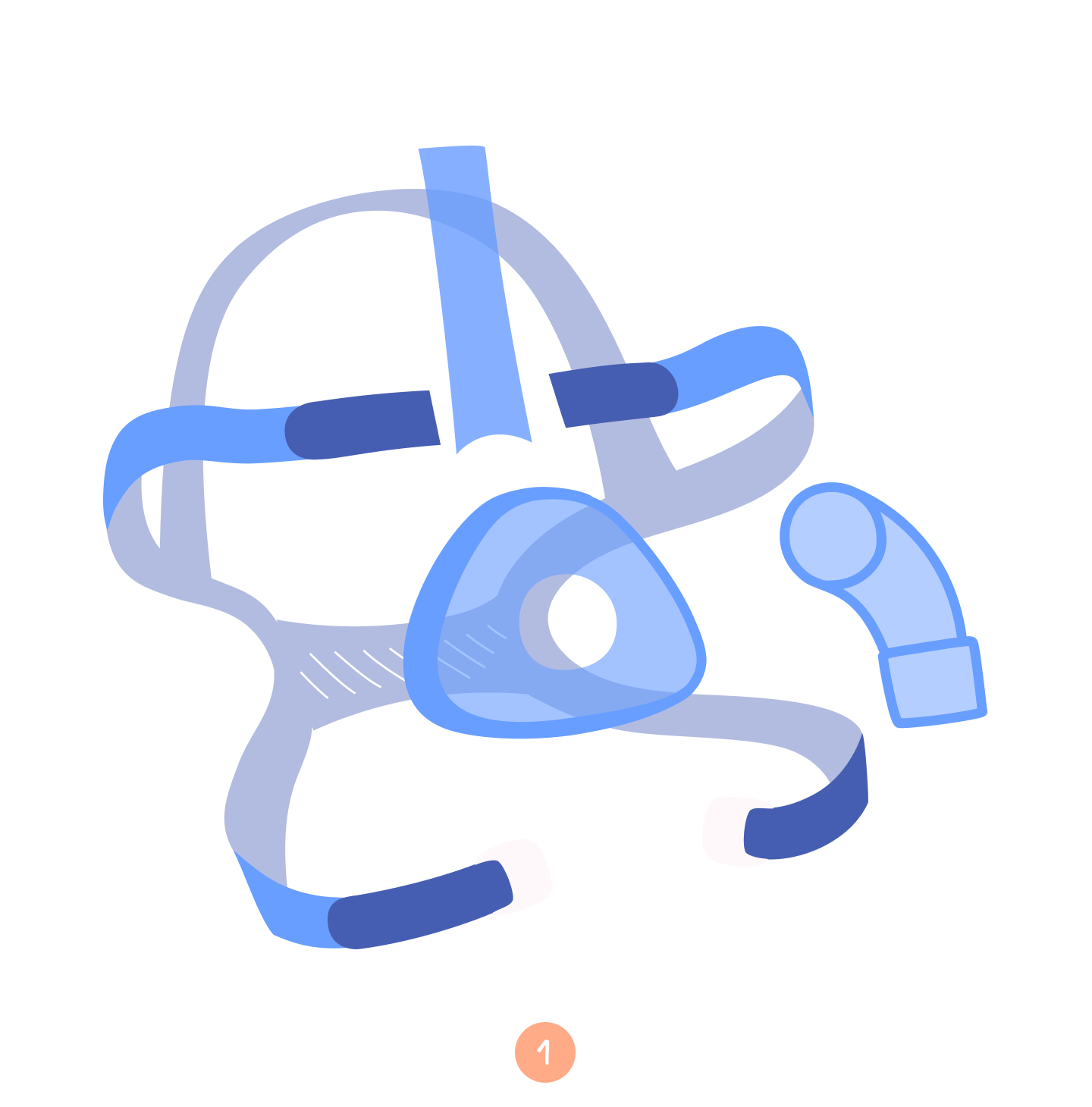
Wash well. Do not soak for longer than 10 minutes

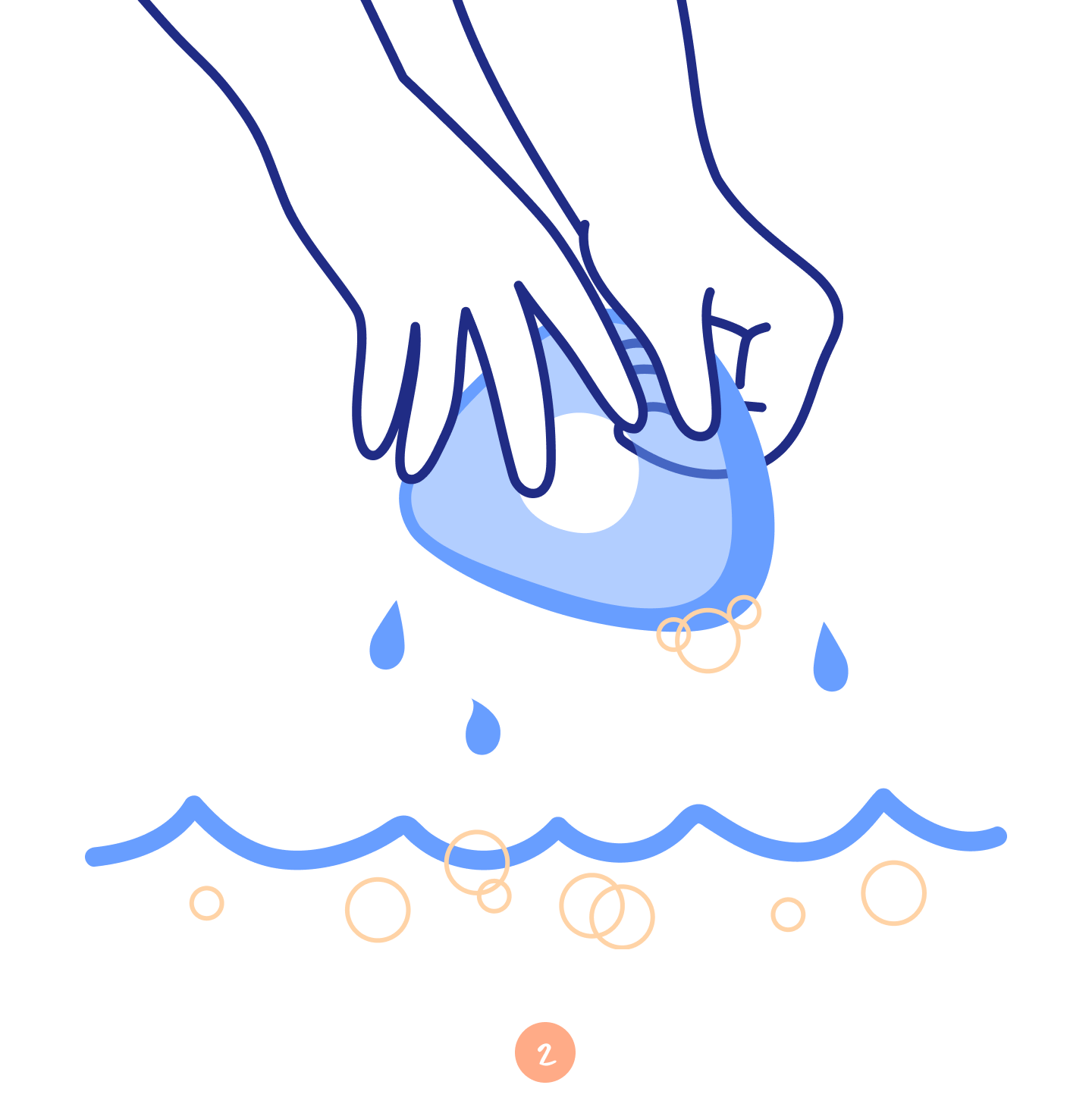
Wash the strap once a week

Rinse well and let dry away from direct sunlight

The ventilator

For non-invasive ventilation treatment, a small ventilator is used. It delivers air under pressure during both inhalation and exhalation to help breathing. Air is provided to the patient through a nasal pillow mask, a nasal mask, or a full-face mask.

This device reduces the effort required for breathing and supports the work of the respiratory muscles. The patient’s respiratory condition is then improved: oxygen levels increase and carbon dioxide levels decrease.

Do you have more questions?